Salvador Events Guide 2026: Bahia's Carnival & Music Capital
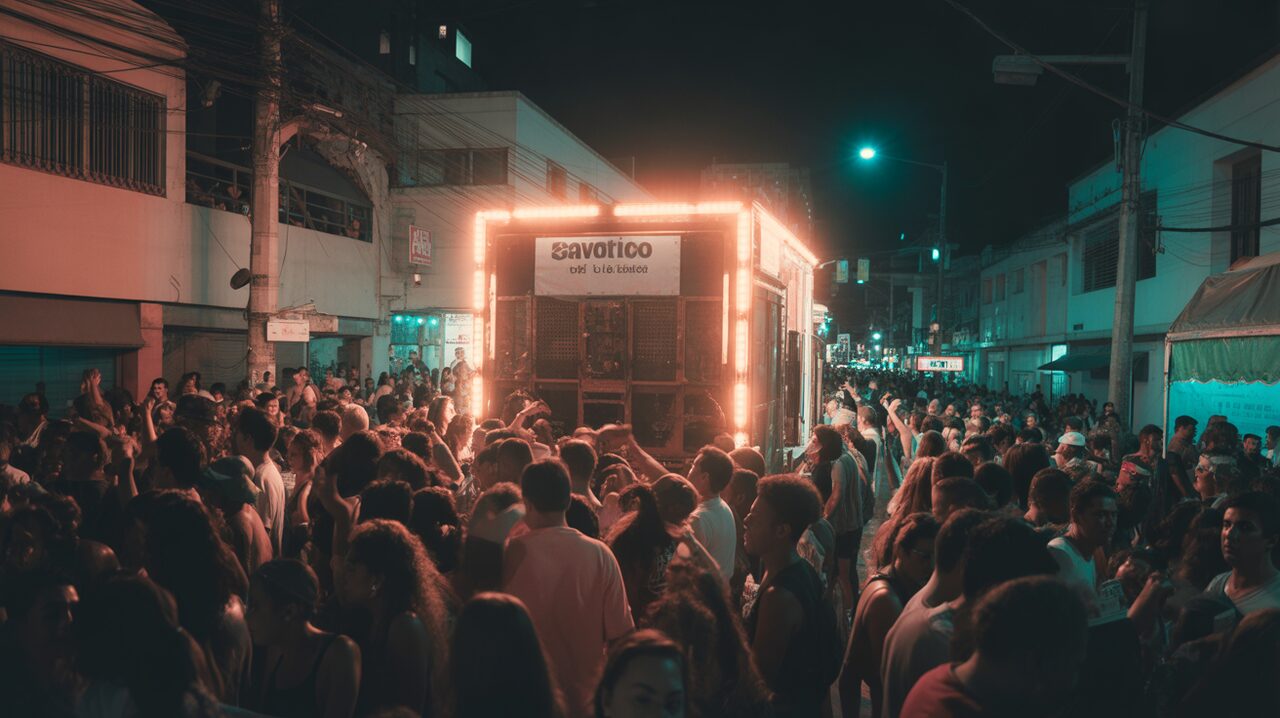
Salvador da Bahia hosts what the Guinness World Records has recognized as the world's largest street party. During Carnival, two million people fill Avenida Oceânica and the historic Pelourinho while trios elétricos — massive trucks carrying full live stages and speaker arrays — roll through the streets playing axé music at a volume that is genuinely physical. That's the headline. But Salvador is also a living center of Afro-Brazilian music, religion, and culture with an event calendar that runs well beyond the five days of Carnival. This guide covers both.
What Makes Salvador's Events Different
Salvador is the capital of Bahia and the third-largest city in Brazil. Its African heritage is deeper and more visible than almost anywhere else in the Americas — enslaved Africans brought Candomblé religious traditions, percussion-based music forms, and culinary practices that have fundamentally shaped Brazilian culture at a national level. Events in Salvador happen within that context. Carnival here isn't a performance for tourists; it's a city-wide expression of an identity that has been maintained for centuries.
The event scene splits between the Barra–Ondina beachfront strip (where the main Carnival circuits run and where beach clubs and outdoor shows dominate), the historic Pelourinho (the colonial upper city, UNESCO-listed, full of performance spaces and cultural venues), and the Ribeira and Itapuã neighborhoods for more local-facing events.
For a direct comparison of Salvador's Carnival with Rio's and Bolivia's Oruro, see the Carnival in Latin America Compared guide.
Carnival 2026 in Salvador
Dates: February 12–17, 2026 (with events extending to February 18). These are confirmed dates for 2026.
Salvador's Carnival is street-based, which is its essential difference from Rio. There is no Sambódromo, no structured parade — instead, the action moves with the trios elétricos along three main circuits:
| Circuit | Location | Character |
|---|---|---|
| Dodô (Barra–Ondina) | Beachfront avenue | Most international visitors; major commercial blocos; axé headliners |
| Osmar (Campo Grande) | Downtown streets | Large traditional blocos; more mixed local crowd |
| Batatinha (Pelourinho) | Historic upper city | Free circuit; African-percussion groups; traditional blocos; afoxés |
Blocos are the structural unit of Salvador's Carnival. You join a bloco, pay for an abadá (the bloco's branded outfit that signals membership), and walk with the trio elétrico as part of that group's circuit. Blocos range from massive commercial enterprises with celebrity headliners to small neighborhood groups with strong Afro-cultural identities.
Free Carnival: The Pelourinho circuit (Batatinha) is free. Afoxé groups rooted in Candomblé traditions, including the famous Filhos de Gandhi — founded in 1949 and one of the oldest Carnival groups in Bahia — process through the upper city in all-white and blue robes. This is some of the most photographically striking and culturally meaningful Carnival in Brazil, and it costs nothing to watch from the street.
Axé Music: The soundtrack is axé — a fusion of Afro-Brazilian rhythms with pop and Caribbean influences. Artists like Ivete Sangalo, Bell Marques, Claudia Leitte, and Chiclete com Banana are the genre's biggest names and typically headline bloco circuits during Carnival week.
Micareta: Off-Season Carnival
Several cities in Bahia host Micaretas — off-season mini-Carnivals held at various points through the year that follow the same trio elétrico format. Salvador itself occasionally runs similar events outside Carnival proper. If you want the experience but can't make February, watch for São João celebrations (June) which have their own forró and Bahian music festival character.
São João and June Festivals
June is Bahia's second peak. Festa de São João (June 24) is the focal point of a weeks-long forró and Bahian music celebration that rivals Carnival in terms of local participation. The Pelourinho runs shows and street events; neighborhoods throughout the city hold their own quadrilha dances and forró nights. Cachoeira, a colonial town two hours from Salvador, is considered one of the best places in Brazil to experience Festa de São João.
Cultural Events Year-Round
Candomblé and African Heritage Events
Candomblé — the Afro-Brazilian religious tradition brought by enslaved Yoruba people — is practised throughout Salvador. Some terreiros (Candomblé religious houses) open specific ceremonies to respectful visitors on particular dates; this is distinct from a commercial event and requires appropriate approach and invitation. Cultural programs through organizations like the Museu Afro-Brasileiro and IPAC provide structured entry points to this culture for international visitors.
Pelourinho Events Calendar
The Pelourinho — Salvador's cobblestoned UNESCO-listed historic center — runs events throughout the year: percussion nights (terças do Olodum, Tuesday-night drumming by the famous Olodum percussion group), cultural festivals, live music in the squares, and arts events in the restored colonial buildings. It's the most accessible and visually dense event district in the city.
Salvador's Music Scene Beyond Carnival
| Genre | Where to find it |
|---|---|
| Axé and pagode | Live shows in botecos and clubs in Barra and Pituba |
| Forró | Dance clubs in Barra and Ondina, particularly on weekends |
| Samba de roda | Community performances in the Recôncavo region; some Salvador venues |
| MPB and Brazilian jazz | Bars in Pelourinho and the bohemian Lençóis/Barra areas |
| Electronic | Beach clubs along the coast and dedicated venues in Pituba |
Practical Notes for Salvador Events
Best time to visit: Carnival (February) if you want the full experience. June for São João and forró. December–January for summer beach events and outdoor concerts. October–November is quieter but still has regular Pelourinho programming.
Getting around: Salvador's layout is split between the Cidade Alta (upper city, including Pelourinho) and Cidade Baixa (lower city, including the port and market area). The Elevador Lacerda connects them. For Carnival circuits and beach events, local buses, Uber, and 99 are the standard options. Traffic during Carnival is effectively gridlocked around the circuits — plan to walk or pre-position yourself.
Safety: Salvador has a reputation for street crime that deserves honest acknowledgment. The Pelourinho during events is heavily patrolled; the main Carnival circuits are large public events with significant security presence. Outside those zones and outside event hours, standard urban-Brazil street awareness applies. Don't display expensive items, stay in groups, and use apps rather than hailing taxis on the street.
Bloco tickets: Purchase bloco abadás from official bloco websites or authorized resellers. Prices vary significantly by bloco and how early you buy. Expect prices to rise significantly in the weeks before Carnival.
Language: Events run in Portuguese. Some international-facing blocos and beach clubs have bilingual staff, but Salvador is less internationally oriented than Rio's tourist zones.
FAQ
When is Carnival in Salvador 2026? February 12–17, 2026, with celebrations extending to February 18. The Barra–Ondina beachfront circuit is the main draw for international visitors; the Pelourinho Batatinha circuit is free.
What is a trio elétrico? A custom-built truck carrying a full live stage and sound system that moves through Salvador's streets during Carnival, playing continuously for hours. The artists (or DJs) perform on top while the bloco following it walks the circuit. Invented in Salvador in the late 1940s, it is now central to Carnival in Bahia.
What is axé music? Axé is an Afro-Brazilian music genre originating in Salvador, fusing Candomblé rhythms, samba-reggae, afoxé, and Caribbean influences with pop production. Ivete Sangalo is its most internationally known export. It is the dominant sound of Salvador's Carnival.
Can I attend Carnival for free in Salvador? Yes — the Pelourinho (Batatinha) circuit is free and features Afro-percussion groups and cultural blocos with no charge. Watching the trios from the pipoca (unaffiliated crowd alongside the circuit) is also free but offers less protection and more chaotic proximity.
What is there to do in Salvador outside Carnival? Olodum percussion events in Pelourinho (Tuesdays), Candomblé cultural programming, São João forró celebrations in June, beach club events on the Orla, and the city's strong axé and pagode live music scene. The Museu Afro-Brasileiro and the Pelourinho architecture are worth the trip regardless of what events coincide.
Summary
Salvador holds a unique position in the Latin American cultural calendar: it is simultaneously the home of one of the world's most famous street parties and one of the most important living centers of African diasporic culture in the Americas. Carnival in February is the obvious draw, but the city's São João celebrations in June, Olodum's weekly Pelourinho events, and the year-round axé and Afro-Brazilian music scene make it a worthwhile events destination in any month.
For the wider context of Carnival across the region, see Carnival in Latin America Compared and the Cultural Festivals in Latin America guide.
Search events in Salvador and Brazil on events.lat — filter by country, category, and date.