Carnival in Latin America: Rio vs Barranquilla vs Oruro — Which One Is for You?
Carnival in Latin America is not one thing. It is three very different experiences happening more or less simultaneously every February, each rooted in a distinct history, geography, and musical tradition. Rio de Janeiro is the global spectacle. Barranquilla is the Caribbean party. Oruro is the ritual — spiritual, ancient, recognized by UNESCO as an Intangible Cultural Heritage of Humanity.
This guide puts them side by side so you can choose the one that actually fits how you travel.
The Quick Comparison
| Rio de Janeiro | Barranquilla | Oruro | |
|---|---|---|---|
| Country | Brazil | Colombia | Bolivia |
| 2026 Dates | ~Feb 13–18 | Feb 14–17 (confirmed) | Feb 7–17, main days Feb 14–17 |
| 2027 Dates | Feb 5–13, Champions' Parade Feb 13 | Feb 6–9 | ~Feb 5–8 |
| UNESCO Status | No | Yes (2003) | Yes (2001) |
| Scale | Global mega-event | Large regional | Mid-size, deeply immersive |
| Main Spectacle | Sambadrome parade | Batalla de Flores parade | La Diablada pilgrimage |
| Music | Samba | Cumbia, mapalé, porro | Diablada, morenada, caporales |
| Street Events | Blocos (massive) | Extensive street parties | Limited — most action at the route |
| Cost Level | High (premium tickets + flights) | Moderate | Low–moderate |
| Accessibility | High (major international hub) | Moderate (regional flights) | Lower (remote city, altitude 3,700m) |
| Crowd Composition | Heavy international | Mostly Colombian + regional | Mostly Bolivian + informed travelers |
| Best For | First-timers, party travelers, samba fans | Couples, cultural travelers, Caribbean vibe | History seekers, serious culture travelers |
Rio de Janeiro Carnival
What It Is
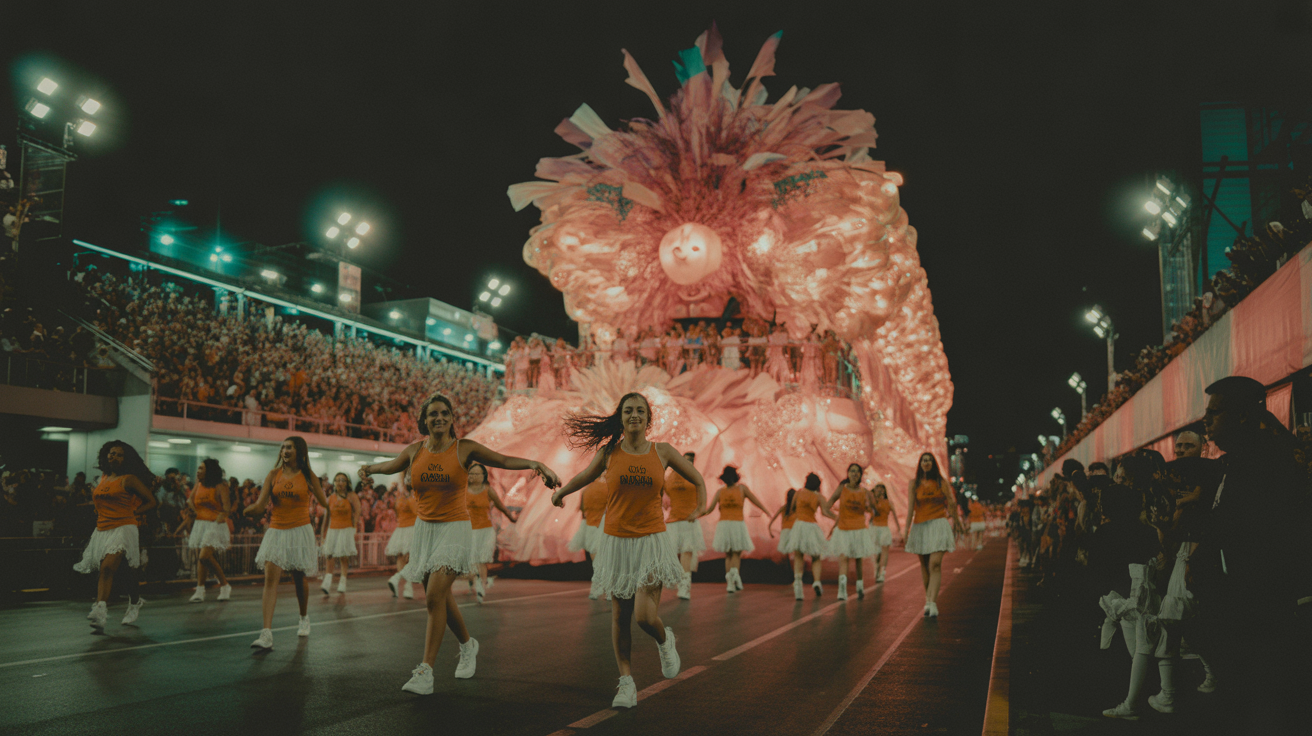
Rio Carnival is the one that fills your phone's screensaver. The Sambadrome parade — where elite samba schools compete in elaborate processions of floats, costumes, and thousands of dancers — is the headline event. But the real city-wide Carnival happens in the streets: blocos (neighborhood street parties) start weeks before the official dates and draw millions of people across the city.
What Makes It Distinct
Scale. No other event on Earth matches it in sheer volume of participants, production value, or global media attention. The samba schools spend months and millions building floats and costumes. The Sambadrome events are ticketed (prices range from inexpensive bleacher seats to premium boxes —). The street blocos are free.
Practical Reality
Rio during Carnival is one of the most expensive travel periods in Brazil. Flights book up months ahead. Accommodation prices spike sharply, especially anything near the Sambadrome or Ipanema. The city is genuinely festive but also crowded and — like any large-scale event with international tourists — requires basic street awareness. Plan 4–6 months ahead if you want reasonable accommodation prices.
For what Rio offers year-round beyond Carnival, see the Rio de Janeiro events guide.
Who Should Go
- First-time Carnival visitors who want the iconic experience
- Samba fans who want to see the real thing at peak production
- Party travelers comfortable with large international crowds
- Travelers who have Rio on their list regardless and want to time their visit
Barranquilla Carnival
What It Is
Barranquilla Carnival is Colombia's greatest party and the Caribbean coast's defining cultural event. It runs four official days in mid-February (Feb 14–17 in 2026; Feb 6–9 in 2027), with lead-up events from mid-January. The carnival was declared UNESCO Intangible Cultural Heritage in 2003.
The Batalla de Flores (Battle of Flowers) opens the main celebration — a parade of floats and folkloric groups along Vía 40. The Gran Parada de Tradición y Folklore follows the next day, featuring hundreds of dance groups in traditional costumes representing Colombia's African, Indigenous, and Spanish heritage. The music is cumbia, porro, mapalé, and champeta, played loudly and continuously in the streets.
What Makes It Distinct
It is a Caribbean carnival, which means it runs on a different frequency from Rio. There is no single centerpiece venue — the entire city is the stage. The atmosphere is more accessible and less commercially packaged than Rio. International visitors are present but not dominant; you are mostly in a Colombian party with Colombian rules, rhythms, and timelines (which run late).
The Reina del Carnaval (Carnival Queen) coronation is a major separate event in the lead-up weeks, followed by parades at a pace that keeps the city in festive mode for weeks.
Practical Reality
Barranquilla is on Colombia's Caribbean coast. Getting there typically involves a connecting flight through Bogotá or Medellín, or direct international connections. Accommodation books quickly for Carnival dates but not at the extreme scarcity of Rio. Cost of participation is genuinely moderate — street viewing is free, and tickets for grandstand positions are available at accessible price points.
The city is hot (35°C+ during Carnival days). Dress lightly. Pace yourself.
For more on Colombia's event landscape, see the Bogotá guide and the LATAM festival calendar.
Who Should Go
- Travelers who want Carnival on a Colombian / Caribbean frame rather than a Brazilian one
- Couples and small groups who want cultural depth without the mega-crowd pressure of Rio
- Anyone interested in the folkloric traditions of Colombia's coast
- Travelers already routing through Colombia
Oruro Carnival
What It Is
Oruro Carnival is the oldest of the three and the most spiritually rooted. It is not a beach party or a music festival in the usual sense. It is a pilgrimage — a 20-hour procession of over 28,000 dancers and 10,000 musicians honoring the Virgin of the Mineshaft (Virgen del Socavón), threading through a small Bolivian highland city at 3,700 meters above sea level.
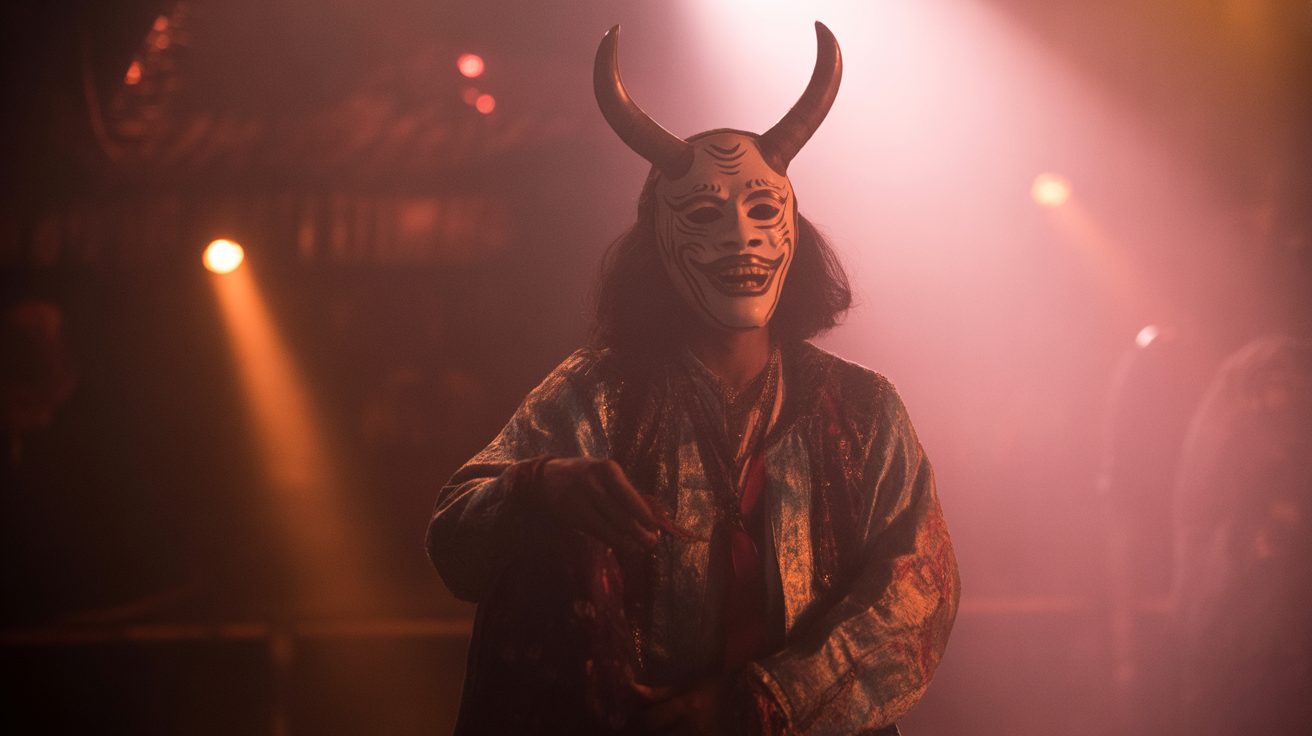
The central ceremony is La Diablada — dancers in elaborate devil masks and costumes performing a ritual battle between good and evil. Other traditional dances include morenada (commemorating enslaved African miners), caporales, and tinku. Each dance group trains for months. The costumes are handmade, intricate, and expensive. UNESCO listed Oruro Carnival in 2001.
The main Entrada (procession) runs on the Saturday before Ash Wednesday — in 2026, February 14. It starts at dawn and finishes well into the night.
What Makes It Distinct
Everything. Oruro is not designed for international tourists — it is a religious and cultural event that welcomes visitors but does not structure itself around them. There are no international hotel chains, no premium tourist infrastructure in the way Rio or Barranquilla provide. What you get instead is direct immersion in something that has run continuously for centuries in a city that has kept it intact.
The altitude is real. Oruro sits at 3,700 meters. Give yourself 1–2 days to acclimatize if arriving from sea level. Bring warm layers — evenings are cold even in February.
Ticket platforms for grandstand seats exist but are less centralized than Rio's; many travelers book through local agencies or tour operators. Budget accommodation in Oruro books out early for Carnival — plan months ahead.
Practical Reality
Getting to Oruro from outside Bolivia typically means flying to La Paz (El Alto airport) and taking a bus or sharing a ride south (approximately 3–4 hours). There is a train connection. La Paz itself is a worthwhile stop — the city is remarkable.
Costs for the trip overall are lower than Rio. Bolivia is one of the most affordable travel destinations in South America. Street viewing is free.
Who Should Go
- Serious cultural and heritage travelers
- Anyone who has done Rio and wants something completely different
- Travelers routing through Bolivia or the Andes
- History and anthropology enthusiasts
- Those who value depth of experience over spectacle
If You Can Only Pick One
Pick Rio if this is your first major Carnival and you want the one the whole world talks about.
Pick Barranquilla if you are already comfortable in Latin America, want a Caribbean cultural experience, and prefer being inside a local celebration rather than an internationally packaged event.
Pick Oruro if you are a seasoned traveler who values ritual, heritage, and the feeling of witnessing something ancient and intact.
Stacking Carnivals: Can You Do Two?
In 2026 (Feb 14–17), Barranquilla and Oruro run on the same dates, so you cannot combine them in one trip. Rio's main parades in 2026 run around the same weekend — combining Rio with either of the others is very difficult in a single year.
In 2027, the dates spread slightly more (Rio Feb 5–13, Barranquilla Feb 6–9, Oruro ~Feb 5–8), but the overlap is still significant. Realistically, pick one per year and plan the others for future trips.
FAQ
Which carnival is more authentic — Rio or Barranquilla? This is a false choice. Both are authentic; they are different traditions. Barranquilla's Carnival is recognized by UNESCO specifically for its living folkloric heritage. Rio's blocos are deeply community-rooted even as the Sambadrome has become an international spectacle. Oruro is the most unmediated of the three.
Is it safe to go to Carnival in Rio / Barranquilla? All three carnivals attract millions of people and require normal urban awareness: watch your phone and bags in crowds, stay with your group, use registered taxis or apps. Check your government's travel advisory before booking and verify current conditions close to your travel date.
How far in advance should I book Carnival trips? Rio: 4–6 months minimum for reasonable accommodation. Barranquilla: 2–3 months is manageable. Oruro: 3–4 months for accommodation; longer if using a tour operator.
Are these carnivals family-friendly? Barranquilla and Oruro are genuinely family-oriented events — you will see Bolivian and Colombian families with children at both. Rio's blocos vary; some are all-ages, some run late and get rowdy. The Sambadrome parades are family-friendly as ticketed events.
What is the Carnival 2027 schedule? Rio: Feb 5–13, 2027 (Champions' Parade Feb 13). Barranquilla: Feb 6–9, 2027. Oruro: approximately Feb 5–8, 2027 (exact dates follow the Catholic liturgical calendar).
Summary
Rio, Barranquilla, and Oruro are three distinct experiences that happen to share a calendar window. Rio is scale and spectacle. Barranquilla is Caribbean heat and folkloric depth. Oruro is ritual and altitude and something you will not find anywhere else. Match the event to your travel style, book early, and check the LATAM festival calendar for what else is happening around each.
Browse Cultural Festivals across Latin America — explore events.lat.