Events in Oaxaca 2026: Guelaguetza, Day of the Dead, and the Full Festival Calendar
Oaxaca is home to two of Mexico's most globally recognized cultural events — and a year-round calendar that gives it a claim as the country's most event-dense state capital per square kilometer. The Guelaguetza in July and the Day of the Dead in November are the headline draws, but Oaxaca's food festivals, mezcal culture, street art scene, and neighborhood-level celebrations fill every month in between.
Why Oaxaca's Event Calendar Is Exceptional
Sixteen distinct indigenous communities officially call Oaxaca state home, and the city's festival culture reflects that plurality. The Guelaguetza — the name itself means "offering" or "reciprocal exchange" in Zapotec — is literally a gathering of regional traditions brought to a single stage. That ethos of community presentation runs through almost every major event in the city.
Add to that Oaxaca's emergence as a serious food and mezcal destination, a thriving arts scene centered on the Santo Domingo cultural corridor, and a UNESCO-recognized historic center, and the result is a city where cultural events aren't seasonal — they're constant.
Guelaguetza 2026 (July 20 & July 27)
The Guelaguetza is Oaxaca's signature festival and one of Mexico's most important indigenous cultural events. In 2026, the main shows take place on July 20 and July 27, with performances at 10:00 AM and 5:00 PM on both Mondays at the Guelaguetza Auditorium — an open-air amphitheater carved into the hillside above the city center (Cerro del Fortín).
What the Guelaguetza Is
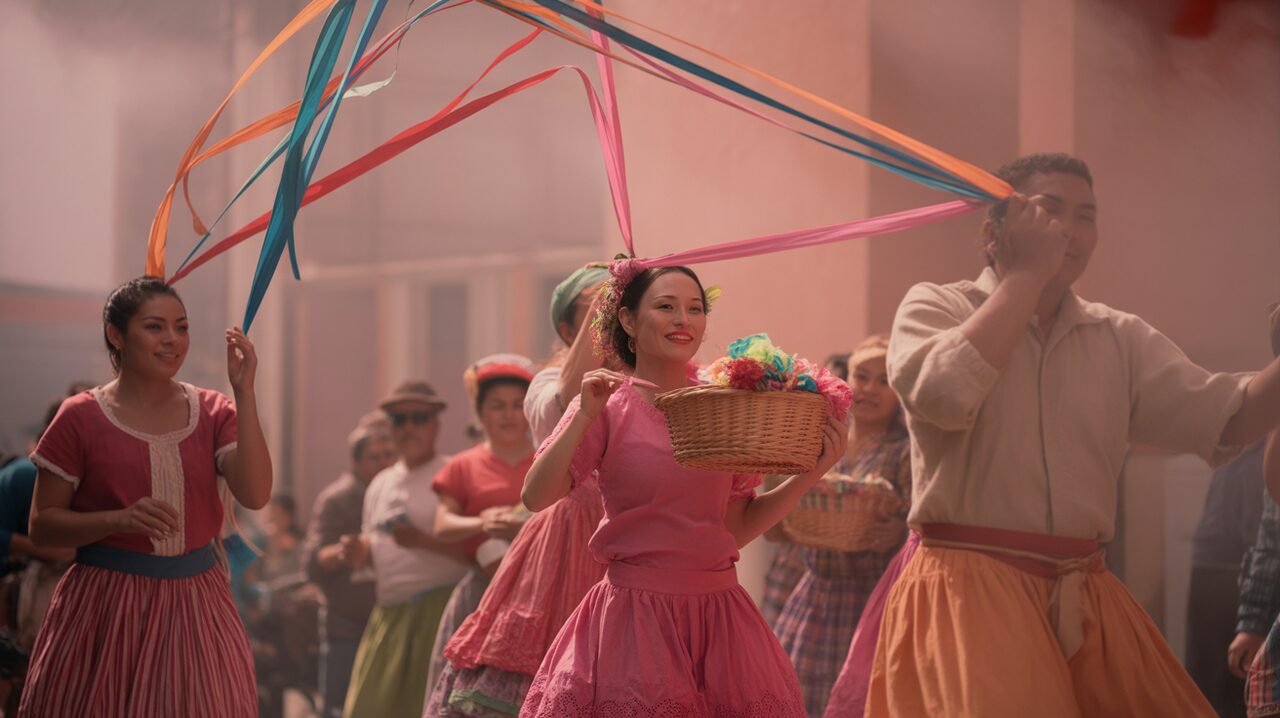
Delegations from Oaxaca's eight regions arrive in the capital to perform traditional dances, music, and to present — and literally throw into the crowd — regional gifts (totopes bread, mole paste, mezcal, fruit, handwoven textiles). The Jarabe del Valle, the Danza de la Pluma, and the Flor de Piña are among the most anticipated performances.
Tickets and Access
The Guelaguetza Auditorium has tiered seating: paid palco (box) seats on the lower level, and free gradas (bleacher) sections at the top. Free sections open early and fill rapidly — arrive several hours before the 10 AM show if you want a spot. Paid tickets for 2026 were reportedly in the range of 300–900 MXN depending on section.
Beyond the main auditorium shows, the month of July also brings:
- Community Guelaguetzas in neighborhood plazas — free, lower-key, often more intimate
- Comparsa de Delegaciones — delegations parading through the city center
- Feria del Tejate y Memela in Etla — celebrating traditional Oaxacan foods
- Cultural exhibitions and mezcal tastings at venues throughout the city
Day of the Dead in Oaxaca (October 31–November 2)
Oaxaca's Día de Muertos celebrations are the most internationally visited of any Mexican city, and for good reason. The combination of elaborate public altars (ofrendas), neighborhood comparsas, cemetery vigils, and UNESCO-recognized indigenous traditions creates a multi-day experience unlike anywhere else.
The Main Events
October 31: Pre-festival parades in outlying neighborhoods; the Comparsa de Catrinas begins in some barrios.
November 1 (Día de Todos Santos): The Comparsa de Catrinas takes over downtown Oaxaca — a procession of elaborately costumed figures (catrinas, skeletons, painted faces) moving through the historic center accompanied by brass bands and crowds of tens of thousands. The atmosphere is celebratory rather than somber.
November 2 (Día de Muertos): The all-night cemetery vigils (veladas) in cemeteries like Xoxocotlán and Atzompa. Families arrive after dark to clean graves, build marigold and candlelit altars, play music, and share food with their deceased relatives. This is the emotional and spiritual center of the celebration.
Practical Notes
- Book accommodation months in advance. Hotels fill completely for October 31–November 2, with rates doubling or tripling.
- The cemetery vigils are not tourist performances — they are active family rituals. Attend with respect, follow any signage or staff guidance, and do not photograph family mourners without consent.
- If you're comparing Day of the Dead traditions across Mexico, see our Day of the Dead guide.
Food and Mezcal Events
Oaxaca's culinary identity — mole negro, tlayudas, chapulines, chocolate, and mezcal — generates its own event circuit:
Festival del Mole Oaxaqueño
An annual celebration of Oaxaca's seven signature moles, typically held in late October or early November. Local restaurants and artisan producers present samples and demonstrations.
Festival del Mezcal (July)
A mezcal festival that typically runs alongside or adjacent to the Guelaguetza season in July, gathering producers from across Oaxaca's mezcal-producing villages (Matatlán, Miahuatlán, Sola de Vega). Tastings, agave field tours, and distillery visits often accompany the city-center programming.
Noche de Rábanos (December 23)
One of Oaxaca's most distinctive events: artisans carve elaborate nativity scenes, historical tableaux, and fantasy figures entirely from radishes, displayed in the Zócalo. The tradition dates to the colonial period and draws large evening crowds. Free to attend; the competition and display run for one night only.
For more on Oaxaca's food festival circuit and broader gastronomic events across Latin America, see our food and gastronomy festivals guide.
Year-Round Events in Oaxaca
| Month | Event |
|---|---|
| January | Fiesta de la Virgen de la Soledad (citywide patron saint celebration) |
| March–April | Semana Santa processions; textile and craft markets |
| June | Lunes del Cerro — pre-Guelaguetza community celebrations begin |
| July 20 & 27 | Guelaguetza (main shows) |
| July (month) | Feria del Mezcal, community Guelaguetzas, cultural exhibitions |
| October 23 | December 23 — Noche de Rábanos |
| Oct 31–Nov 2 | Day of the Dead — comparsas, cemetery vigils |
| December 23 | Noche de Rábanos |
| December 24–25 | Calenda de Navidad (Christmas lantern processions) |
Getting to Oaxaca
Oaxaca's Xoxocotlán International Airport (OAX) handles flights from Mexico City (45 minutes), as well as some direct US connections. ADO buses from Mexico City (approximately 6–7 hours) are a popular and comfortable overland option. The historic center is small and walkable; taxis and ride-shares cover the outer neighborhoods.
For related festival planning in nearby Yucatán, see our Mérida events guide.
FAQ
When is the Guelaguetza in 2026? The main Guelaguetza shows in 2026 take place on July 20 and July 27, with performances at 10:00 AM and 5:00 PM at the Guelaguetza Auditorium (Cerro del Fortín), Oaxaca de Juárez.
Are Guelaguetza tickets required? The lower palco sections require paid tickets (prices vary by section). The upper gradas sections are free but fill very early — plan to arrive several hours before showtime.
What is the best time to visit Oaxaca for events? July (Guelaguetza) and late October–November (Day of the Dead) are the two peak windows. Both periods require advance accommodation booking. December (Noche de Rábanos, Christmas Calendas) is also festive and less crowded than the summer peak.
How long should I spend in Oaxaca for the Day of the Dead? Most visitors build a 4–5 day stay around Day of the Dead: arriving October 30–31 to catch the early comparsas, attending the November 1 Comparsa de Catrinas, and participating in the November 2 cemetery vigils. Allow extra time if you want to visit outlying villages with their own traditions.
Is Oaxaca expensive during festival periods? Accommodation prices spike significantly (2–3x normal rates) for both Guelaguetza and Day of the Dead periods. Most of the cultural programming itself — parades, community events, cemetery vigils — is free. Book accommodation as far in advance as possible.
Summary
Oaxaca's event calendar has few rivals in Mexico: the Guelaguetza (July 20 and 27, 2026) is one of Latin America's most important indigenous cultural festivals; the Day of the Dead (November 1–2) draws visitors from around the world to its cemetery vigils and comparsas. The months between these two anchors are filled with mezcal events, food festivals, and the daily cultural activity of one of Mexico's most creative cities.
Search current Oaxaca events and plan your visit around the full calendar at events.lat.