Best LATAM Cities for Nightlife 2026: Ranked and Compared
Latin America operates on a different clock. In Buenos Aires, nothing starts until 2 AM. In Medellín, rooftop reggaeton runs until sunrise. In Rio, the line between beach and nightclub is blurred from noon. No region on earth has a stronger claim to producing the world's best nightlife cities — and in 2026, the competition is fiercer than ever. Here's how the top contenders stack up.
The Rankings: Quick Overview
| Rank | City | Best For | Signature Scene |
|---|---|---|---|
| 1 | Buenos Aires | Club culture, tango, late-night depth | Electronic, tango, cocktail bars |
| 2 | Medellín | Reggaeton rooftops, energy, affordability | Reggaeton, salsa, vallenato |
| 3 | Mexico City | Variety, neighborhoods, techno/indie | Techno, jazz bars, mezcal cantinas |
| 4 | Rio de Janeiro | Beach-to-club pipeline, samba, open-air | Funk carioca, samba, beach parties |
| 5 | São Paulo | Electronic music depth, club size | Electronic, underground clubs |
| 6 | Cartagena | Tropical Caribbean, outdoor atmosphere | Champeta, tropical, rooftop bars |
#1: Buenos Aires — The World's Most Dedicated Party Capital
Vibe: Late, legendary, layered.
Buenos Aires doesn't just have nightlife; it has a philosophy about it. Dinner at 10 PM, bars at midnight, clubs at 2 AM, best DJs at 4. This isn't posturing — it's cultural infrastructure built over decades.
The neighborhoods:
- Palermo — the epicenter. Crobar Club for large-scale electronic nights; Niceto for genre-blending; Kika for fashion-forward techno; plus dozens of cocktail bars, rooftops, and speakeasies.
- San Telmo — the milongas. Tango dance halls (El Viejo Almacén, La Catedral, Club Gricel) run until late on weekends. La Viruta in Palermo hosts milongas every night; beginners can take a class before the social dancing starts.
- Recoleta — refined cocktail bars and jazz venues.
- Villa Crespo — growing underground scene; smaller clubs, emerging DJs, more local crowd.
Electronic scene: One of the world's most serious, with deep European-influenced techno and house cultivated by local labels and promoters.
Practical: Arrive after 2 AM — before that you'll be nearly alone. Uber is reliable for late-night returns..
See also: Buenos Aires Nightlife Guide
#2: Medellín — Latin America's Rising Nightlife Star
Vibe: Electric, social, neighborhood-driven.
Medellín was named the best nightlife city in South America by Time Out in 2025, ranking 18th globally — and the recognition is deserved. The city's transformation over the past 25 years has produced a nightlife culture that is both deeply local (rooted in Colombian paisa identity) and internationally recognized.
The neighborhoods:
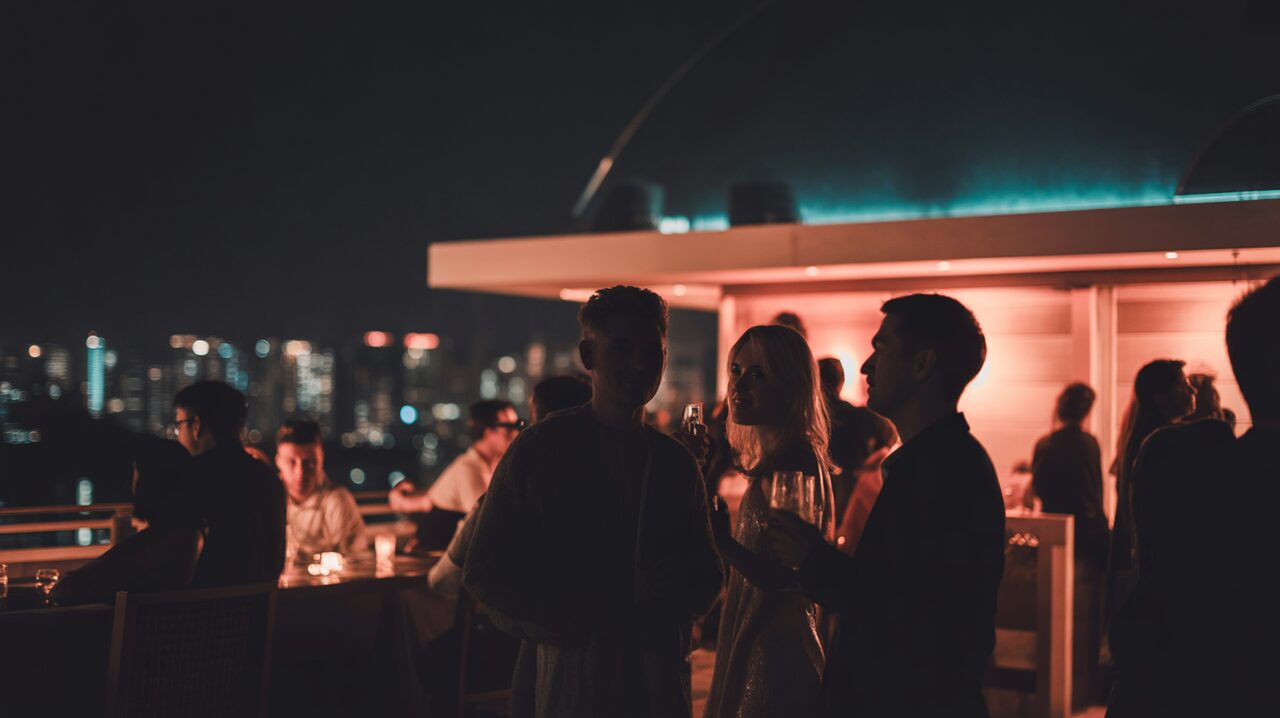
- El Poblado — the primary nightlife district. Parque del Poblado and the surrounding zona rosa concentrate hundreds of bars, clubs, and rooftops within walking distance. The reggaeton and urban music scene here is dense; live music and DJ sets run simultaneously across multiple venues. Lleras Park is the outdoor social epicenter.
- Laureles — the local alternative. Laureles and the nearby Estadio neighborhood offer a more authentic Medellín scene — less tourist-facing, more neighborhood bar culture. Salsa bars, local clubs, and late-night food stalls.
- Envigado — quieter but active; residential area with its own local nightlife corridor.
Music identity: Medellín is ground zero for reggaeton — the genre was substantially developed and popularized here, and the city remains its cultural heartland. But the scene extends to salsa, vallenato, and the electronic nights that have grown rapidly in El Poblado.
Affordability: Medellín is significantly cheaper than Rio or Buenos Aires — covers at Poblado clubs run roughly $5–10 USD, drinks are accessible, quality is high. El Poblado is well-trafficked and among the city's most visited districts; standard urban awareness applies everywhere in LATAM.
See also: Medellín Events Guide
#3: Mexico City — The Broadest Night Out
Vibe: Layered, diverse, neighborhood-by-neighborhood.
Mexico City's nightlife can't be summarized in a single scene: traditional cantinas with mariachi, underground techno in repurposed factories, mezcal bars in colonial buildings, jazz clubs in Condesa, massive clubs in Polanco.
The neighborhoods:
- Roma Norte — mezcal bars, cocktail spots, independent music venues; deeply local in feel.
- Condesa — jazz clubs, rooftop terraces, international crowd.
- Polanco — upscale nightclubs, late restaurant dining, higher price point.
- Centro Histórico — cantinas (La Ópera is an institution), pulquerías, the ancient-meets-modern texture of the city's core.
Mezcal culture: Hundreds of mezcal bars across Roma and Condesa serve hundreds of labels in atmospheric settings — the signature CDMX nightlife format, unmatched elsewhere in LATAM.
Techno scene: A serious underground circuit runs through warehouse venues; Patrick Miller (legendary disco) continues; check current listings for the rotating warehouse schedule.
Practical: Metro closes midnight; Uber after. Altitude (2,250 m) affects tolerance — pace yourself.
See also: Best Events Mexico City 2026
#4: Rio de Janeiro — When Beach Becomes Party
Vibe: Sensory, outdoor, heat-amplified.
Rio's nightlife is inseparable from its geography. Beach kiosks (quiosques) serve caipirinhas at sunset; the open-air bars of Ipanema and Leblon run late; the clubs of Lapa and Botafogo close out the night. The pipeline from ocean to dance floor is uniquely Rio.
The neighborhoods:
- Lapa — Rio's historic nightlife center. The arched Arcos da Lapa aqueduct frames hundreds of bars and clubs; forró and samba dominate; the scene peaks on weekends.
- Ipanema/Leblon — beach bar culture running late, cocktail bars, upscale venues.
- Santa Teresa — quieter hillside bairro; artsy bars, live music.
- Botafogo — younger crowd, lower prices, growing club circuit.
Funk carioca: Rio's signature music genre — baile funk — is a specific nightlife experience unavailable anywhere else in the world. Blocos (street parties) pop up year-round beyond carnival season, keeping the collective outdoor dancing energy alive.
See also: Rio de Janeiro Events Guide | Rio Nightlife & Beach Party Guide
#5: São Paulo — The Electronic Music Capital
Vibe: Urban intensity, underground depth.
São Paulo's nightlife is the most serious in Latin America, if not the most scenic. SP has built one of the world's great underground electronic ecosystems — warehouses in Pinheiros and Vila Madalena host top international acts; the local DJ talent is globally respected.
The neighborhoods:
- Pinheiros/Vila Madalena — creative hub; live music, bars, clubs
- Rua Augusta — the city's principal nightlife artery
- Consolação — club-focused, adjacent to Augusta
- Barra Funda — industrial large-format electronic venues
Cine Joia and the D-Edge ecosystem are long-established SP electronic institutions. Warung Beach Club in Itajaí (SC), a few hours south, is frequently cited among the world's best clubs. Uber is essential — the city is spread out and the Metro closes before the night begins.
See also: São Paulo Events Guide
#6: Cartagena — Caribbean Warmth and Open-Air Energy
Vibe: Tropical, romantic, rooftop-driven.
Cartagena wins on atmosphere. The colonial walled city, illuminated at night, with rooftop bars overlooking tile-roofed churches and the Caribbean horizon, creates a nightlife backdrop that no other LATAM city can replicate. The music is different too — champeta, cumbia, and Caribbean rhythms rather than the reggaeton of the interior or the electronic music of the southern cities.
The neighborhoods:
- Ciudad Amurallada (Walled City) — rooftop bars, open-air dining, evening walks. The Sofitel Legend Santa Clara rooftop and Café del Mar are iconic spots.
- Getsemaní — formerly edgy neighborhood now packed with bars, street art, and cocktail spots; the most social neighborhood for younger travelers.
- Bocagrande — more resort-hotel nightlife; casino bars and beach clubs.
Seasonal note: December–January concentrates peak nightlife energy; June–July is also active. The city runs hot — outdoor venues are the natural setting. Afternoon rains in wet season can shift evening timing.
See also: Cartagena Events Guide | Cali Events Guide
Honorable Mentions
Bogotá: La Zona Rosa and Parque de la 93 anchor the upscale scene; Chapinero hosts the alternative and LGBTQ+ nightlife. Altitude (2,600 m) affects stamina — pace yourself. See Bogotá Nightlife & Rumba Guide.
Cali: The salsa capital. The caleño salsa scene — Tin Tin Deo, Changó, and dozens of salsotecas — is one of the most specific cultural nightlife experiences on the continent. See Cali Events Guide.
Lima: Barranco is Lima's creative nightlife heart — bars, live music venues, relaxed pace. Miraflores adds upscale options. Not as intense as Buenos Aires or São Paulo but consistently enjoyable.
FAQ
Which LATAM city has the best nightlife overall? Buenos Aires for depth and cultural uniqueness (tango milongas + serious electronic scene). Medellín for best value and energy on a single night. Mexico City for the widest variety of formats.
Is LATAM nightlife safe for tourists? Standard urban precautions apply. The areas described here are all heavily trafficked by tourists and locals. Use Uber after dark, keep valuables out of sight, and check recent traveler reports before visiting — safety conditions change and vary by neighborhood.
What's the best city for dancing specifically? Cali if your target is salsa. Medellín for reggaeton. Buenos Aires for tango. Rio for samba and funk carioca. Each city's dominant dance culture is genuinely distinct.
When do LATAM clubs close? Buenos Aires clubs sometimes run until 10 or 11 AM the next day. São Paulo underground events can run for 12+ hours. Medellín clubs typically close at 4–5 AM. Cartagena venues are often earlier at 2–3 AM.
Do I need to book in advance for nightlife in LATAM? For specific nights at popular clubs (especially Buenos Aires during high season, or Rio during Carnival), pre-booking or guest-list reservation via the club's Instagram or WhatsApp is recommended. Most regular weeknight events don't require advance purchase.
Summary
Buenos Aires leads for depth, cultural uniqueness, and its club-and-milonga ecosystem. Medellín is the best-value single-night destination, internationally recognized for exactly that. Mexico City offers unmatched variety. Rio's beach-to-club pipeline is geographically unique. São Paulo's electronic scene is the most technically serious. Cartagena wins on Caribbean atmosphere. All six are world-class — the right choice depends on what kind of night you're after.
Explore cities and find events on events.lat — filter by city, date, and event type to plan your LATAM nights.