Sports Events in Latin America 2026: Football, Marathons & More
Latin America is a global center of sporting culture. 2026 is particularly significant: the FIFA World Cup brings matches to Mexico City, Guadalajara, and Monterrey for the first time in 36 years. The Copa Libertadores final heads to Montevideo. The Buenos Aires and Mexico City marathons — both World Athletics Gold Label races — draw international runners. And a full season of domestic football, tennis, cycling, and motorsport fills the calendar year-round.
This is the practical guide for sports travelers in 2026.
The FIFA World Cup 2026 — Mexico Host Cities
Tournament Dates: June–July 2026 (underway) Mexico Venues: Estadio Azteca (Mexico City), Estadio Akron (Guadalajara), Estadio BBVA (Monterrey)
The 2026 FIFA World Cup is the first to use three host countries (USA, Mexico, Canada) and the first 48-team tournament in the competition's history. For Latin American sports fans, the Mexico host cities are the primary draw.
Estadio Azteca, Mexico City — One of the world's most iconic football grounds, the Azteca is the only stadium to have hosted two FIFA World Cup finals (1970 and 1986). Its 2026 role brings that history into a third tournament.
Estadio Akron, Guadalajara — The stadium used by Club Deportivo Guadalajara (Chivas) serves as the Guadalajara host venue. Guadalajara was a host city in 1986 as well.
Estadio BBVA, Monterrey — The home of CF Monterrey is one of the most modern stadiums in Mexico, opened in 2015.
Match schedules for specific group stage and knockout fixtures in Mexico are confirmed — check the official FIFA website for the current schedule and remaining fixtures. [The tournament is in progress as of this writing; check fifa.com for live fixture updates.]
For navigating Mexico City during the World Cup: Best Events in Mexico City 2026.
Copa Libertadores 2026 — Final in Montevideo
Final: November 2026 (expected) Venue: Estadio Centenario, Montevideo, Uruguay
The 2026 Copa Libertadores final is scheduled for the Estadio Centenario in Montevideo — the historic stadium that hosted the first FIFA World Cup final in 1930. CONMEBOL has confirmed the Centenario as the venue for the Libertadores final, with the Copa Sudamericana final also confirmed for a separate LATAM host city.
The Copa Libertadores is South America's premier club competition, equivalent to the UEFA Champions League, and the final draws fans from the competing clubs' home countries to whichever city hosts the match. If the final involves clubs from Brazil or Argentina, which it historically often does, Montevideo will see significant visitor numbers.
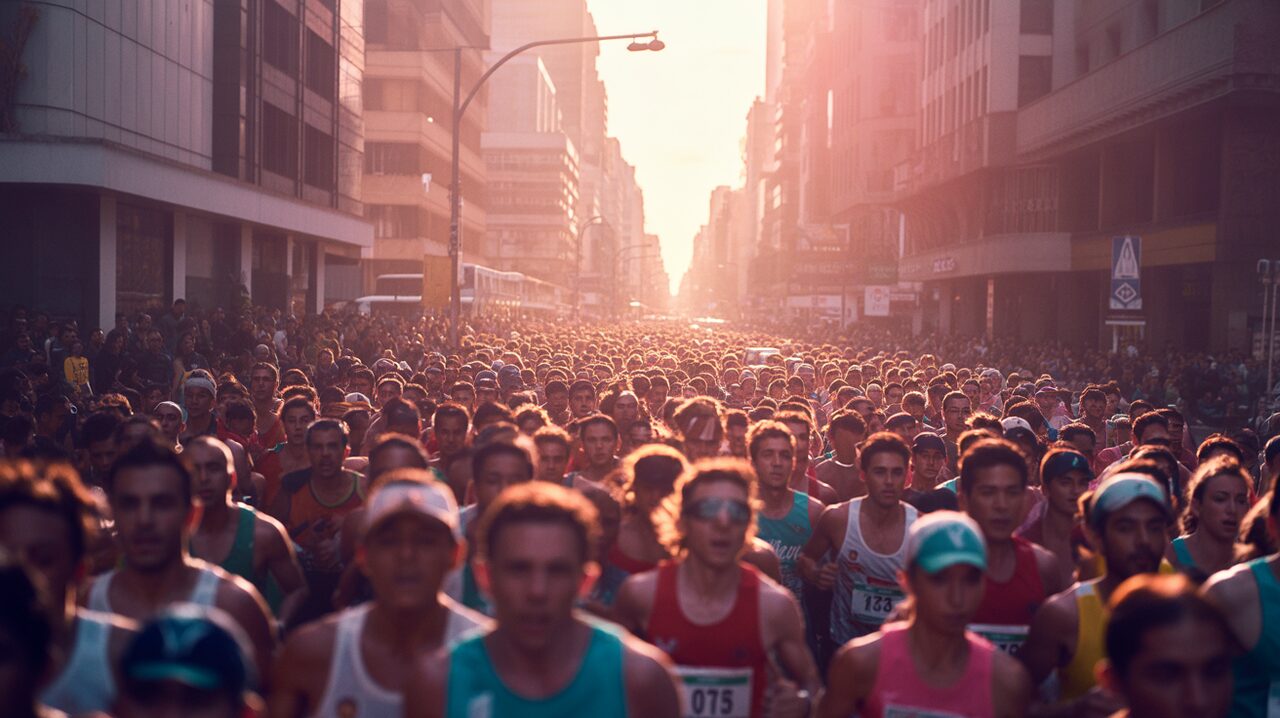
Marathons: LATAM's Major Running Events
Mexico City Marathon (Maratón CDMX Telcel)
Date: Sunday, August 30, 2026 Start: Estadio Olímpico Universitario Finish: Zócalo, Centro Histórico Status: World Athletics Gold Label
The XLIII Maratón de la Ciudad de México Telcel holds the highest World Athletics road race designation. The certified 42.195 km course starts at the Estadio Olímpico Universitario in Ciudad Universitaria and finishes at the Zócalo — passing through some of the most recognizable urban landscape in the Americas, including Paseo de la Reforma and Torre Mayor.
Registration for CDMX Marathon typically opens months in advance through the official registration platform (raceroster.com has handled recent editions). International runners should register early — the event fills quickly and slots for non-Mexican residents are limited.
Altitude note: Mexico City sits at approximately 2,240 meters (7,350 feet). Runners not acclimated to altitude should arrive several days early and plan training adjustments. The altitude affects pace and perceived effort significantly.
Buenos Aires Marathon
Date: Sunday, September 20, 2026 Route: City center loop through emblematic neighborhoods Status: AIMS certified
The Buenos Aires Marathon is scheduled for September 20, 2026. The route covers Buenos Aires's most iconic urban landmarks — the Obelisco, the Cabildo, Teatro Colón, Plaza de Mayo, Casa Rosada, Parque Tres de Febrero, and the neighborhoods of La Boca and Puerto Madero. The course is essentially a guided tour of the city at a sprint.
The Buenos Aires Marathon draws strong international participation from across South America. September puts the race in Buenos Aires's early spring — temperatures are mild and the city is at its most pleasant.
For travel logistics in Buenos Aires around the race: Buenos Aires Events Guide.
Other Major LATAM Marathons
| Marathon | City | Typical Date | Notes |
|---|---|---|---|
| São Paulo Marathon | São Paulo, Brazil | May–June | One of Brazil's largest road races |
| Rio de Janeiro Marathon | Rio de Janeiro, Brazil | June | Route along Aterro do Flamengo and beachfront |
| Lima Marathon | Lima, Peru | August | Fastest LATAM course by elevation profile |
| Bogotá Altitude Marathon | Bogotá, Colombia | August | Run at 2,600m — harder than CDMX |
| Santiago Marathon | Santiago, Chile | April | Spring conditions in Southern Hemisphere |
| Medellín Marathon | Medellín, Colombia | July–August | Hilly course through the city |
Football: The Club Season
The Latin American football calendar runs year-round across different seasonal structures depending on the country:
Brazil (Brasileirão) — The top division runs from April to December. Brazil's football is the most globally exported in the region, and Flamengo, Palmeiras, Fluminense, and Corinthians regularly sell out their home stadiums in Rio and São Paulo.
Argentina (Liga Profesional) — Argentine domestic football runs in two separate tournaments (Apertura/Clausura) and the national passion for the game means Boca Juniors vs. River Plate (the Superclásico) is among the world's most intense sporting events. The Superclásico draws significant sports tourism.
Mexico (Liga MX) — Liga MX runs an Apertura (July–December) and Clausura (January–May) format. Clásico Nacional (América vs. Guadalajara/Chivas) and Clásico Capitalino (América vs. Cruz Azul) are the marquee domestic rivalries.
Colombia, Chile, Peru, Uruguay — Each country runs its own domestic league on different calendars. Copa Libertadores and Copa Sudamericana qualification runs through all of these simultaneously. Following your club through CONMEBOL competition is a parallel calendar to domestic league play.
Tennis: ATP and WTA in Latin America
Argentina Open (ATP 250, Buenos Aires) — One of the most beloved clay-court tournaments on the ATP calendar, typically held in February. Rafael Nadal won the event multiple times; it draws top clay-court specialists and significant local attendance.
Rio Open (ATP 500, Rio de Janeiro) — An ATP 500 event on clay, typically held in February, the Rio Open has upgraded its status over the years and draws strong international fields.
WTA Events — Several WTA events run in South America through the clay-court season.
Motorsport: Formula 1 in São Paulo
Brazilian Grand Prix — São Paulo (Interlagos) Typical Date: November
The Brazilian Grand Prix at Interlagos is one of Formula 1's most beloved races. The circuit's layout, the unpredictable weather (late-afternoon thunderstorms regularly reshape races), and the passionate Brazilian crowd have produced some of the most memorable moments in F1 history. The 2026 race is confirmed for November 6–8, with qualifying on Saturday at 3pm and the race on Sunday at 2pm local time — sectors, tickets and transport are in our São Paulo Grand Prix 2026 guide.
The race weekend typically runs across three days (practice, qualifying, race). São Paulo fans concentrate in the grandstands at Curva do Sol and the first sector; the city fills with international F1 visitors for the week.
For São Paulo events around the GP: São Paulo Events in English.
Cycling: LATAM Grand Tours
Vuelta a Colombia — Colombia's cycling culture has produced world-class climbers for decades (Nairo Quintana, Egan Bernal, Rigoberto Urán), and the domestic Vuelta a Colombia captures that heritage. The race crosses some of the Andes' most dramatic mountain terrain.
Tour de San Luis (Argentina) — A stage race in San Luis province that has historically served as a January tune-up for international riders preparing for the European season.
FAQ
Which cities in Mexico are hosting FIFA World Cup 2026 matches? Three Mexican cities are World Cup 2026 hosts: Mexico City (Estadio Azteca), Guadalajara (Estadio Akron), and Monterrey (Estadio BBVA). Mexico City and Guadalajara are among the 16 total venues across the USA, Mexico, and Canada sharing the expanded 48-team tournament.
When is the Mexico City Marathon 2026? The XLIII Maratón CDMX Telcel is scheduled for Sunday, August 30, 2026. The course starts at Estadio Olímpico Universitario and finishes at the Zócalo. World Athletics Gold Label status. Register through the official platform — slots fill well in advance.
When is the Buenos Aires Marathon 2026? The Buenos Aires Marathon 2026 is scheduled for Sunday, September 20, 2026. The route covers the city's most iconic landmarks including the Obelisco, Teatro Colón, and Puerto Madero.
Where is the Copa Libertadores 2026 final? The 2026 Copa Libertadores final is planned for the Estadio Centenario in Montevideo, Uruguay. The Centenario is one of football's most historically significant venues — it hosted the 1930 World Cup final.
Is it worth attending a Liga MX match as a visitor to Mexico City? Yes. América's Estadio Azteca matches offer a strong live football experience with a stadium that has genuine historical weight. Tickets are sold through club websites and official channels. The atmosphere at a Clásico Nacional is particularly intense. Check the current Liga MX Clausura or Apertura calendar for upcoming América, Cruz Azul, or Chivas fixtures during your visit.
Summary
2026 is a landmark year for LATAM sports tourism. The FIFA World Cup brings matches to Mexico City, Guadalajara, and Monterrey. The Copa Libertadores final lands at Montevideo's historic Centenario. The Mexico City Marathon (August 30) and Buenos Aires Marathon (September 20) both hold World Athletics credentials and draw international fields. And the year-round calendar of Liga MX, Brasileirão, Liga Profesional, F1 at Interlagos, and clay-court tennis creates a sports event density that rewards flexible planning.
Browse sports and cultural events across Latin America on events.lat.