Salsa & Tropical Music Events in Latin America 2026
Salsa isn't just music in Latin America — it's a living cultural ecosystem with dedicated festivals, competitive congresses, street celebrations, and the world's most technically advanced social dance scenes. Cali, Colombia is the undisputed world capital; Havana holds the genre's deep Afro-Cuban roots; Puerto Rico, New York, and Medellín all have distinct flavors. This guide covers the major salsa and tropical music events across the region in 2026, from Cali's flagship festivals to the congresses that draw international dancers and the cities that keep the tradition alive year-round.
What Is "Tropical Music" in the LATAM Context?
"Tropical music" in Latin America refers to a broad family of dance-music genres rooted in the Caribbean and Atlantic coast traditions of Colombia, Cuba, and Puerto Rico:
- Salsa: Developed in New York in the 1960s–70s from Cuban son, mambo, and Afro-Caribbean rhythms; now with multiple regional styles (Cali, New York, Puerto Rican, Cuban)
- Cumbia: Colombian coastal rhythm with African, indigenous, and Spanish roots; the backbone of Colombian popular music
- Vallenato: Accordion-driven Colombian genre from the Caribbean coast; enormously popular domestically
- Merengue: The national rhythm of the Dominican Republic; fast-tempo, pair-dance
- Bachata: Dominican romantic rhythm; now globally popular, closely related to salsa in the social dance world
- Son Cubano: The foundational Cuban rhythm that gave birth to salsa; still performed by traditional orquestas
Many events in this space mix genres, especially salsa + bachata (they share the same congress circuit) and cumbia + vallenato in Colombia.
Major Salsa Events in LATAM 2026
Feria de Cali — Cali, Colombia
Expected dates: December 25–30, 2026 Format: City-wide festival — concerts, parades, salsa clubs, competitions Scale: Millions of attendees across the week-long event
The Feria de Cali is one of the largest annual festivals in Colombia and the world's foremost celebration of salsa. Every December 25–30 (pattern based on historical editions; confirm official 2026 program via Corfecali), Cali transforms: outdoor stages go up citywide, the famous chivas (open-top decorated buses) parade through streets, and the city's renowned salsa clubs (called "salsotecas") run until dawn every night.
Key components of the Feria:
- Salsódromo: The opening night parade along Avenida 6N, featuring dance schools, salsa clubs, and elaborately choreographed street dancing. Arguably the most visually spectacular single event of the week.
- Cali Vive el Festival: Main concert stage programming with Colombian and international artists
- Desfile de Mitos y Leyendas: Cultural parade celebrating Colombian folklore
- Salsa competitions: The Feria week includes both formal competitions and informal street-level dance battles
The Cali salsa style — characterized by fast, intricate footwork, close-partner dancing, and a particular emphasis on rhythm over acrobatics — is distinct from New York and Puerto Rican salsa. The salsotecas (Zaperoco, Tin Tin Deo, La Topa Tolondra, Chango) maintain this tradition year-round but go into overdrive during Feria week.
See the full Cali city guide at events.lat/blog/cali-events-guide.
Festival Mundial de Salsa — Cali, Colombia
Expected dates: September 24–27, 2026 Format: International salsa dance competition Venue: Cali (venue varies by edition)
The Festival Mundial de Salsa is distinct from the Feria de Cali — it's specifically a competitive dance event, drawing hundreds of couples and teams from across Latin America, Europe, and North America to compete in Cali-style salsa. Categories include couples, show choreography, and children's divisions.
If you're a salsa dancer interested in the Cali style specifically, the Mundial is the most important competitive event in the world in that tradition. Spectator tickets are typically available and affordable. Check mundialdesalsa.com for confirmed 2026 dates and registration details.
Salsa Congresses and Dance Weekenders
The salsa congress circuit — a format that brings together dancers, instructors, and live bands for multi-day intensives of workshops, social dancing, and performances — is active across Latin America throughout the year. Key LATAM congresses to research for 2026:
| Congress / Event | City | Typical Timing | Style Focus |
|---|---|---|---|
| World Latin Dance Cup | Miami (LATAM finals vary) | August | All styles |
| LATAM Salsa & Bachata Congress | Bogotá / Medellín | Varies | Salsa + Bachata |
| Festival de Salsa de Medellín | Medellín, Colombia | July–August | Cali + NY styles |
| Salsa al Parque | Bogotá | June | Traditional + Cali |
| Cuba Salsa Congress | Havana, Cuba | Varies | Cuban Casino style |
| Rio de Janeiro Salsa Congress | Rio de Janeiro, Brazil | Varies | Mixed + Brazilian flavor |
Note: Congress schedules shift year to year. Use salsavida.com and danceus.org for current 2026 listings.
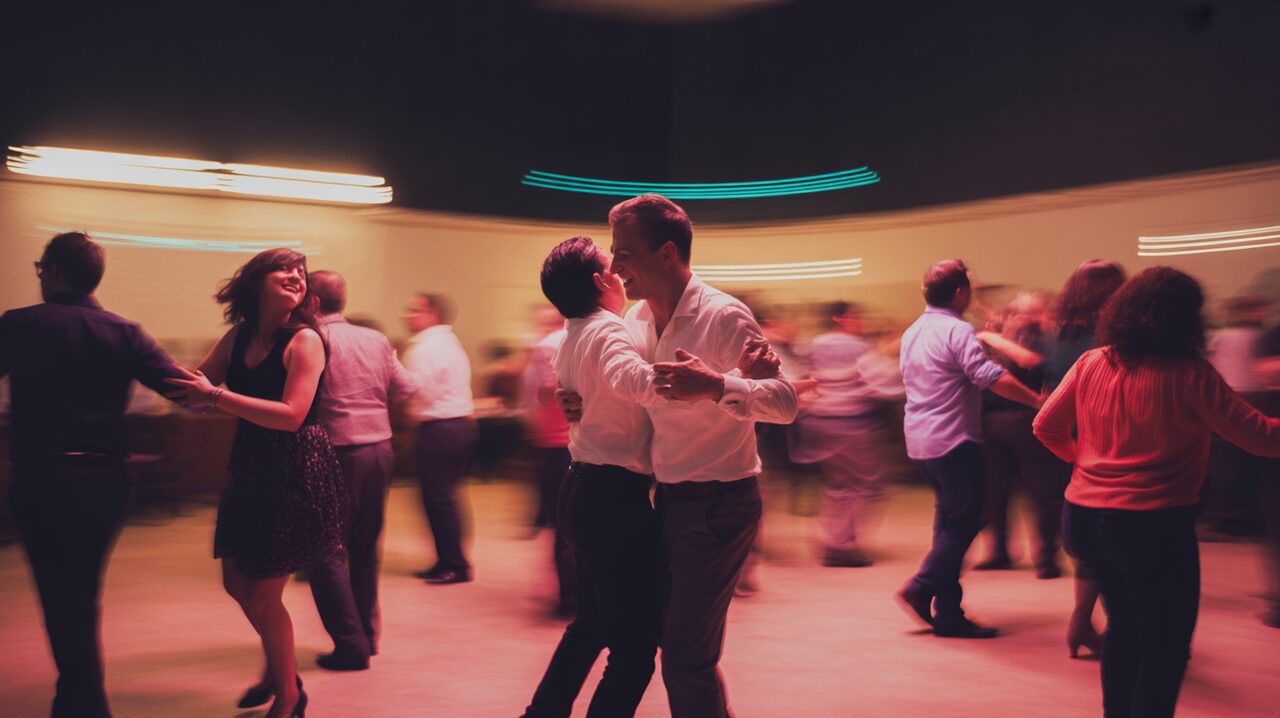
Salsa Capitals of Latin America
Cali, Colombia — The Undisputed Capital
No other city in the world has the same relationship with salsa as Cali. The Cali style emerged in the city's barrios in the 1950s–70s, shaped by vinyl records from Cuba and New York and adapted by working-class dancers who developed the distinctive quick-stepping, close-position Cali footwork. The salsotecas (dedicated salsa bars) are a Cali institution unlike anything in other cities — purpose-built for dancing, often with sound systems tuned specifically for salsa, open seven days a week.
Havana, Cuba — The Root
Havana is where much of salsa's foundational sound came from: son cubano, mambo, chachachá, and the orquesta tradition that defines Cuban music. Today, Havana's salsa scene is characterized by Casino style (the Cuban social dance, distinct from Cali or New York styles) and Timba (contemporary Cuban salsa, more complex rhythmically). Casa de la Música venues are the main concert spaces for live Cuban salsa and son.
Medellín and Bogotá, Colombia
Medellín has a vibrant salsa scene and hosts events including its own salsa festival (see above). Bogotá's Salsa al Parque is part of the city's Festivales al Parque series — a free outdoor salsa event in the tradition of the city's acclaimed Rock al Parque and Jazz al Parque.
Lima, Peru — Cumbia and Salsa Mix
Lima has a massive cumbia tradition (especially the Andean-influenced "chicha" style) alongside imported Caribbean salsa. The city's large Caribbean-origin communities have seeded active salsa clubs in districts like Miraflores and Barranco.
Buenos Aires, Argentina — Tropical Music Import
Buenos Aires is primarily a tango city, but it has a substantial tropical music scene driven by Colombian and Caribbean immigration. The city's cumbia villera (an Argentine working-class offshoot of cumbia) is a distinct genre; salsa events happen regularly in multi-purpose venues.
Tropical Music Genres: A Quick-Reference Table
| Genre | Origin | Instruments | Typical BPM | Where Most Active |
|---|---|---|---|---|
| Salsa (Cali) | Cuba → NYC → Cali | Brass, piano, bass, congas, timbal | 180–200+ | Cali, Medellín |
| Salsa (NY/PR) | Cuba → New York | Same + more jazz influence | 160–180 | Puerto Rico, Mexico |
| Cumbia | Colombian coast | Accordion, gaita, drums | 120–140 | Colombia, Mexico, Peru, Argentina |
| Vallenato | Colombian coast | Accordion, caja, guacharaca | 80–130 | Colombia (nationwide) |
| Son Cubano | Cuba | Tres, bongos, bass, trumpet | 100–130 | Cuba, internationally |
| Timba | Cuba (modern) | More complex; piano-forward | 180–220 | Havana |
| Merengue | Dominican Republic | Accordion/brass, tambora | 150–200 | Dominican Republic, LATAM broadly |
| Bachata | Dominican Republic | Guitar, bongos, bass | 100–140 | DR, globally via congresses |
How to Find Salsa Events Wherever You Are
For major festivals: Feria de Cali and Festival Mundial de Salsa are the top LATAM anchors — plan travel around them. The Feria is end of December; the Mundial is typically September.
For local club nights: In Cali, any night in any salsoteca. In Bogotá and Medellín, check local nightlife guides for salsa-specific bars. In Lima, search barrio Miraflores listings.
For congresses: salsavida.com and danceus.org maintain updated worldwide congress calendars — filter to South America.
On events.lat: Use the Music Festivals category and filter by Colombia or your target country to catch announced salsa and tropical music events. Browse at events.lat.
FAQ
What is the difference between Cali salsa and New York salsa? Cali-style salsa (also called "salsa caleña") emphasizes fast footwork, close-position dancing, and breaks on counts 1 and 2 with a distinctive in-place bounce pattern. New York style (often called "on2" or "mambo") is more linear, emphasizes body movement and turn patterns, and breaks on count 2 of the clave. They share the same music but are visually quite different to watch.
Is the Feria de Cali safe for international tourists? The Feria de Cali is a mass public event with large security presence during the festival period. Standard urban precautions apply. The dedicated tourist areas and concert zones are generally well-managed. Check current travel advisories and local guidance closer to the date.
Do I need to know how to dance to enjoy salsa festivals? No. The Feria de Cali and similar events are cultural celebrations, not just dance competitions. Watching the Salsódromo, attending live concerts, and experiencing the salsoteca atmosphere are all accessible without dance skills. That said, taking even a few beginner lessons beforehand will significantly enhance your participation.
Are there salsa events in Brazil? Yes — Brazil's largest cities (São Paulo, Rio, Belo Horizonte) have active salsa and bachata congress scenes, primarily driven by the international congress circuit. Brazilian salsa has its own flavor. Look for "congresso de salsa" events in São Paulo.
Where can I find a salsa congress to dance at in 2026? Check salsavida.com/guides/south-america/festivals/ for an updated list of South American congresses in 2026, including dates, cities, and registration links.
Summary
The Feria de Cali (December 25–30) and the Festival Mundial de Salsa (September, Cali) are the twin pillars of the LATAM salsa calendar. Around them, a year-round ecosystem of salsotecas, urban congresses, and free outdoor festivals keeps the tradition alive in Bogotá, Medellín, Lima, Buenos Aires, and across the region. Whether you're a serious dancer on the congress circuit or a first-timer who wants to see what the world's best salsa dancers look like in their home city, LATAM has events at every level.
Browse Music Festivals on events.lat — filter by country and category to find salsa and tropical music events wherever you're headed.