Inti Raymi & Andean Festivals 2026: A Cultural Calendar
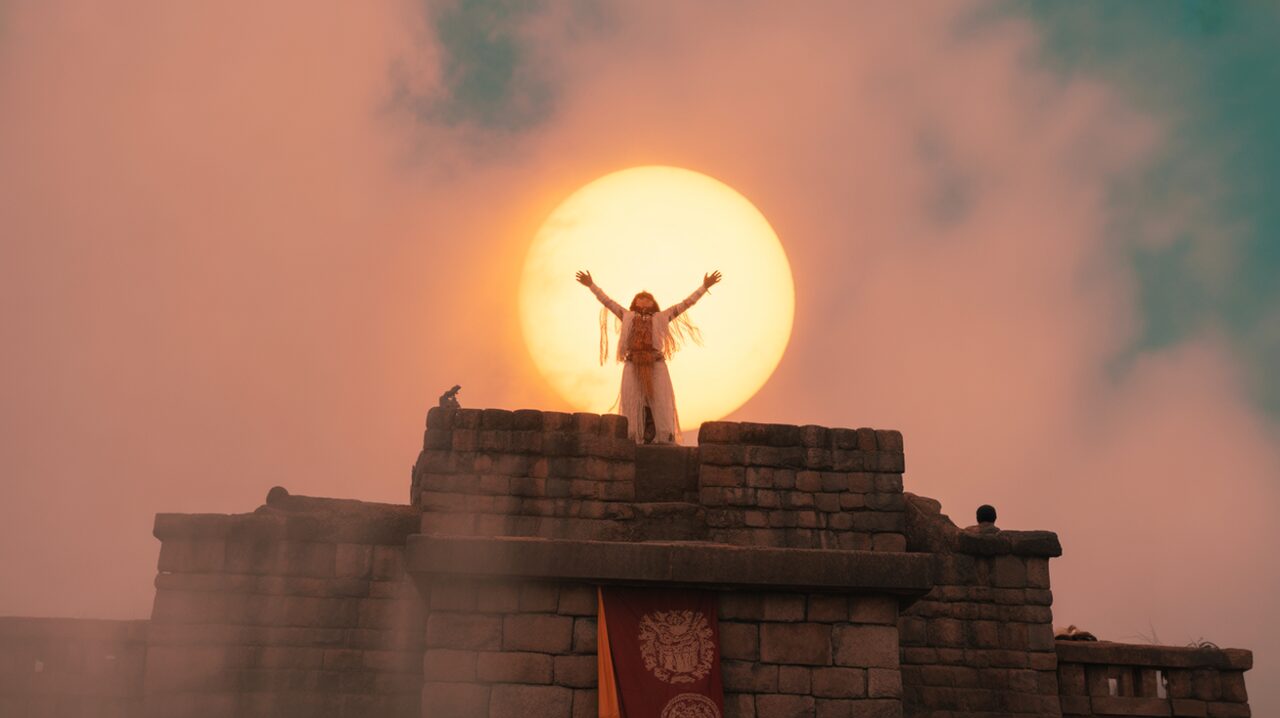
Inti Raymi falls on June 24 every year in Cusco — fixed, confirmed, not subject to scheduling uncertainty. It is the Festival of the Sun, the single most spectacular public ritual in the Andean world, drawing tens of thousands to the fortress of Sacsayhuamán for a daylong ceremonial drama in full Inca regalia. But Inti Raymi is one event in a much richer Andean festival calendar that stretches from February to August. This guide covers all of it.
Inti Raymi 2026: The Core Facts
Date: June 24, 2026 (fixed annually — this will not change).
Location: Cusco, Peru. The festival moves through three sites:
- Qorikancha (Temple of the Sun) — early morning ceremony
- Plaza de Armas — midday procession through the historic center
- Sacsayhuamán — the main afternoon ceremonial drama on the fortress esplanade
What happens: Over 800 costumed performers including the actor playing the Sapa Inca (Sun King), his court, priests, and soldiers reenact the Inca ritual of offering to Inti, the Sun God. The ceremony coincides with the winter solstice in the Southern Hemisphere — the shortest day of the year, when the Incas performed elaborate rituals to call back the sun.
Duration: The full sequence runs from approximately 8 AM (Qorikancha) to late afternoon (Sacsayhuamán). Most visitors go straight to Sacsayhuamán for the main show; arrive early to secure a good vantage point on the hillsides surrounding the fortress.
Tickets: Grandstand seats at Sacsayhuamán require paid tickets. The hillsides around the fortress are free to enter and can fill quickly. Check current ticket options and prices on official Cusco tourism sites — prices change year to year.
Accommodation: Book 3–6 months in advance. Cusco Week (Semana del Cusco) surrounds June 24 with additional parades and events; the city fills completely. Aguas Calientes (Machu Picchu) also sees spillover bookings.
Cusco's Full June Festival Week
Inti Raymi does not stand alone. The city observes Cusco Week (Semana Jubilar del Cusco) from June 15–29, with:
- Corpus Christi — colorful processions of saints through the Plaza de Armas (dates vary by Catholic calendar)
- Bajada de Reyes and other ceremonial events
- Nightly markets, artisan fairs, and folk dance performances in the city's plazas
If you are going for Inti Raymi, arriving a few days early gives you a richer experience of the full festival culture, not just the June 24 spectacle.
The Andean Festival Calendar (Full Year)
The following festivals are part of the broader Andean ceremonial cycle across Peru, Bolivia, and Ecuador.
| Festival | When | Location | What It Is |
|---|---|---|---|
| Virgen de la Candelaria | Jan 16 – Feb 10 (peak Feb 2) | Puno, Peru | UNESCO dance & music festival |
| Qoyllur Rit'i | May–June (moveable) | Sinakara, Cusco | High-altitude glacier pilgrimage |
| Inti Raymi | June 24 (fixed) | Cusco, Peru | Festival of the Sun |
| Corpus Christi | June (moveable) | Cusco & across LATAM | Catholic-Andean syncretic processions |
| Qeswachaka Bridge Renewal | June | Huinchiri, Cusco | Annual rebuilding of ancient rope bridge |
| Virgen del Carmen | July 16 | Paucartambo, Cusco | Dance and masquerade festival |
| Fiestas Patrias | July 28–29 | All of Peru | Peru Independence Day |
Virgen de la Candelaria, Puno (January–February)
This is arguably the greatest festival in Peru in terms of sheer scale and visual spectacle. UNESCO inscribed it on the Intangible Cultural Heritage list in 2014.
In 2026, the Candelaria Festival in Puno ran from January 16 to February 10, with the main religious day on February 2 (the Feast of the Purification) and the spectacular dance competitions running the first two weekends of February. The "Traje de Luces" competition on February 8 features hundreds of dancers in dazzling sequined costumes competing in traditional dances — diablada, morenada, caporales, and more. The Grand Parade closes the festival on February 9–10.
Puno sits on Lake Titicaca at 3,827 meters above sea level. It is cold in February (nights well below freezing) and altitude sickness is real — plan an acclimatization day.
Qoyllur Rit'i (Moveable, May–June)
The Qoyllur Rit'i pilgrimage to the Sinakara glacier above Cusco is one of the most extraordinary events in the Andean world — and one of the least comfortable. Pilgrims climb to approximately 4,700 meters above sea level to venerate the Lord of the Star of Snow. The festival predates Christianity and now blends Andean cosmology with Catholic devotion.
Timing is tied to the Catholic calendar (around Corpus Christi), so dates move year to year. It requires serious physical preparation; this is a pilgrimage, not a tourist attraction.
Virgen del Carmen, Paucartambo (July)
The small mountain town of Paucartambo, four hours from Cusco over unpaved roads, explodes each July 16 with the Fiesta de la Virgen del Carmen. Masked dancers — representing demons, condors, and colonial characters — perform through the night. The devil (diablo) dancers are cast off the balconies into the plaza at midnight in a theatrical exorcism.
It is unknown to most international travelers and overwhelming in the best way.
Ecuador's Inti Raymi
Ecuador, especially in the Otavalo region and Imbabura province, also celebrates Inti Raymi in late June with Kichwa communities. The celebrations here are more participatory and less theatrical than Cusco's — street dancing, communal meals, and fire rituals rather than a staged ceremony. If you are in Ecuador in late June, the towns around Otavalo are worth a visit.
Bolivia: Oruro Beyond Carnival
Bolivia's most famous festival is Carnival in Oruro (February), but the Andean ritual calendar runs year-round. La Paz's Festival de la Paz in July coincides with Fiestas Patrias, and various ayllus (communities) in the altiplano observe their own agricultural and religious festivals throughout the June–August cycle.
Planning: How to Visit Andean Festivals Without Getting It Wrong
Altitude: Cusco (3,400m), Puno (3,827m), and Qoyllur Rit'i (4,700m) are serious altitudes. Arrive 1–2 days before the main event to acclimatize. Drink coca tea (traditional and legal in Peru), stay hydrated, avoid alcohol the first night.
Accommodation scarcity: Puno during Candelaria and Cusco during Inti Raymi week are among the hardest hotel-booking windows in South America. Book as early as possible — months ahead for peak dates.
Respect the ceremony: Inti Raymi's ceremonial sections involve indigenous religious practice. Photograph thoughtfully, do not interrupt performers, and follow local guidance at each site.
Transport: Cusco's airport (Alejandro Velasco Astete) is small; flights book out in June. The train from Lima via Puno to Cusco (PeruRail) is an alternative. For Puno, fly to Juliaca airport then bus to Puno (30–45 min).
For broader Lima and Peru event planning, see Lima Events Guide and Cultural Festivals in Latin America.
FAQ
Is Inti Raymi always on June 24? Yes. Inti Raymi is fixed to June 24 every year — it marks the winter solstice in the Southern Hemisphere, which the Inca calendar tied to this date. It will be June 24, 2026 in Cusco.
Do I need to buy tickets to see Inti Raymi? The Sacsayhuamán spectacle has paid grandstand areas and free hillside areas. The morning ceremony at Qorikancha and the Plaza de Armas procession are viewable without tickets. Check official tourism sites for current ticket pricing.
Is Candelaria bigger than Inti Raymi? In terms of duration and number of dance groups, Candelaria in Puno is actually more extensive — it runs for weeks and involves hundreds of dance companies. Inti Raymi is a single day with a single ceremony. Both are UNESCO Intangible Heritage events; Candelaria achieved that recognition, Inti Raymi holds strong cultural status.
Can I go to Inti Raymi and Machu Picchu in the same trip? Yes — most visitors combine them. Machu Picchu is about 2.5 hours from Cusco by train. June is high season for both; book Machu Picchu entry permits well in advance (the site has daily limits).
Are these festivals safe for international travelers? Major Andean festivals attract large crowds and are well-practiced community events. Standard crowd precautions apply — watch your belongings, be aware of altitude effects, and check current travel advisories before you go.
Summary
Inti Raymi on June 24 in Cusco is the Andean calendar's defining event — fixed date, confirmed century after century. But the wider Andean festival world is extraordinary: Candelaria in Puno (February), Qoyllur Rit'i (May–June), Corpus Christi processions in Cusco, and Paucartambo's Virgen del Carmen (July) form a year-round ceremonial cycle. Plan accommodation early, acclimatize properly, and use events.lat to search Peru and Andean countries for events during your travel window.
Search Peru & the Andes on events.lat → events.lat